
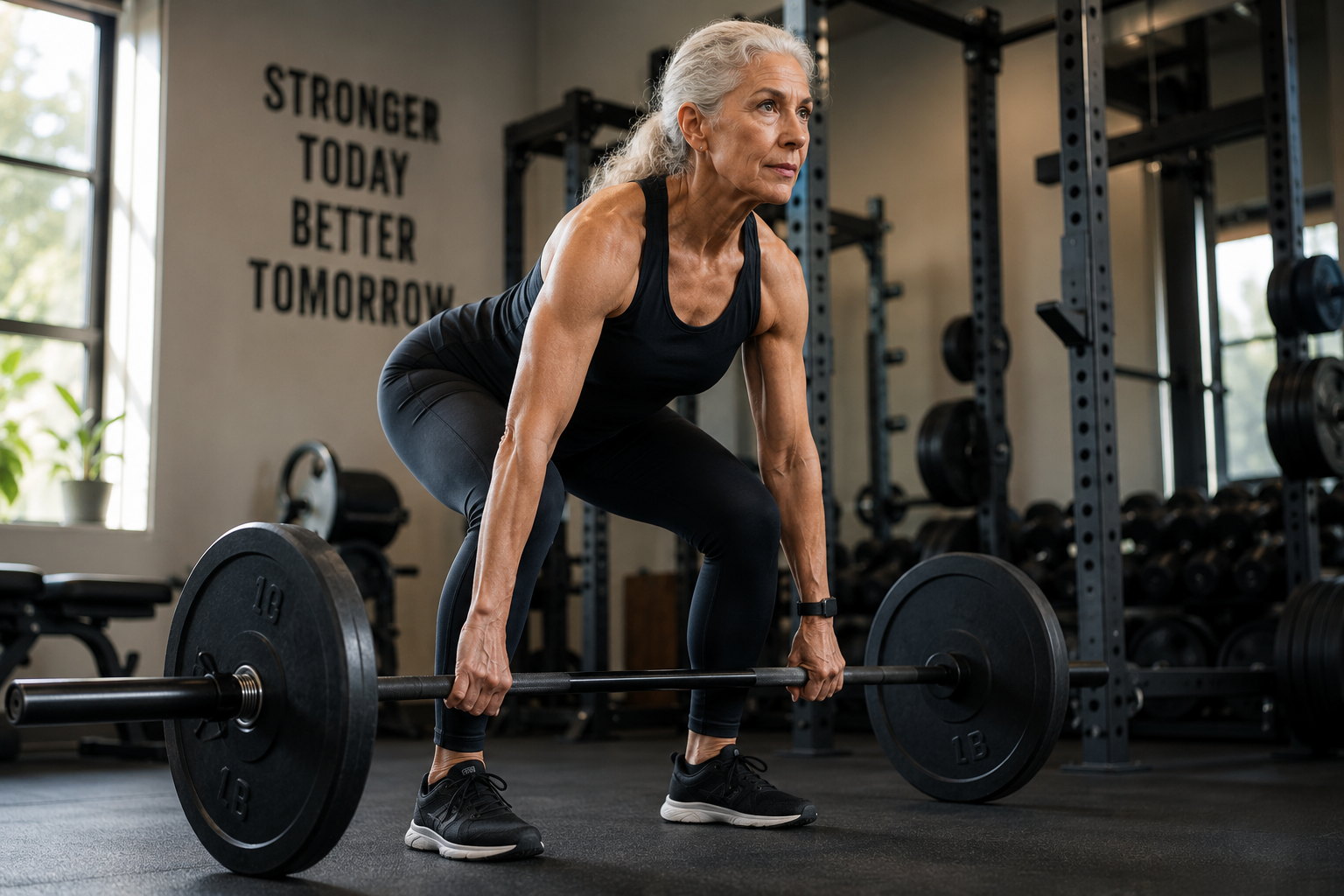
Most people think healthy aging is about avoiding disease, taking supplements, or maintaining a healthy weight. While those factors certainly matter, one of the most powerful predictors of how well you age is something far simpler: your strength.
Strength training isn't just about building muscle or improving your appearance. It's about preserving your independence, protecting your metabolism, reducing your risk of injury, and maintaining the quality of your life as you age.
At Movement Lab, we believe strength training is one of the most important investments you can make in your future health.
Aging Is Not the Problem—Loss of Strength Is
Many of the challenges commonly associated with aging are not caused by age itself. They are often the result of losing muscle mass, strength, balance, and mobility over time.
Starting as early as your 30s, adults naturally begin to lose muscle tissue if they are not actively working to maintain it. This process, known as sarcopenia, accelerates with age and can contribute to:
Decreased mobility
Increased risk of falls
Reduced bone density
Slower metabolism
Loss of independence
Increased risk of chronic disease
The good news? Strength training is one of the most effective ways to slow, stop, and even reverse many of these changes.

Muscle: Your Longevity Organ
Researchers have begun referring to skeletal muscle as a "longevity organ" because of the significant role it plays in overall health.
Muscle tissue helps:
Regulate blood sugar
Improve insulin sensitivity
Support hormone health
Reduce inflammation
Protect joints
Maintain bone density
Improve balance and coordination
Increase metabolic rate
In fact, studies consistently show that individuals with greater strength and muscle mass tend to have lower rates of chronic disease and longer, healthier lives.
The goal isn't to become a bodybuilder. The goal is to maintain enough strength and muscle to continue doing the things you love for decades to come.
Strength Training Supports Everyday Life
When people hear "strength training," they often picture heavy barbells and intense gym sessions. In reality, strength training is simply practicing movements that make your body more capable.
Think about the activities you perform every day:
Carrying groceries
Lifting grandchildren
Climbing stairs
Getting off the floor
Walking long distances
Gardening
Traveling
Playing recreational sports
Every one of these activities requires strength.
Without adequate strength, everyday tasks become more difficult and fatigue becomes more common. With adequate strength, daily life feels easier and more enjoyable.
Strength Training Improves Bone Health
Bone density naturally declines as we age, especially in women after menopause.
This decline increases the risk of fractures and osteoporosis, which can significantly impact independence and quality of life.
Strength training provides a unique stimulus that encourages bones to remain strong and resilient. When muscles pull against bone during exercise, the body responds by strengthening the skeletal system.
For many adults, strength training may be one of the most effective tools available for preserving bone health.
Better Blood Sugar, Better Health
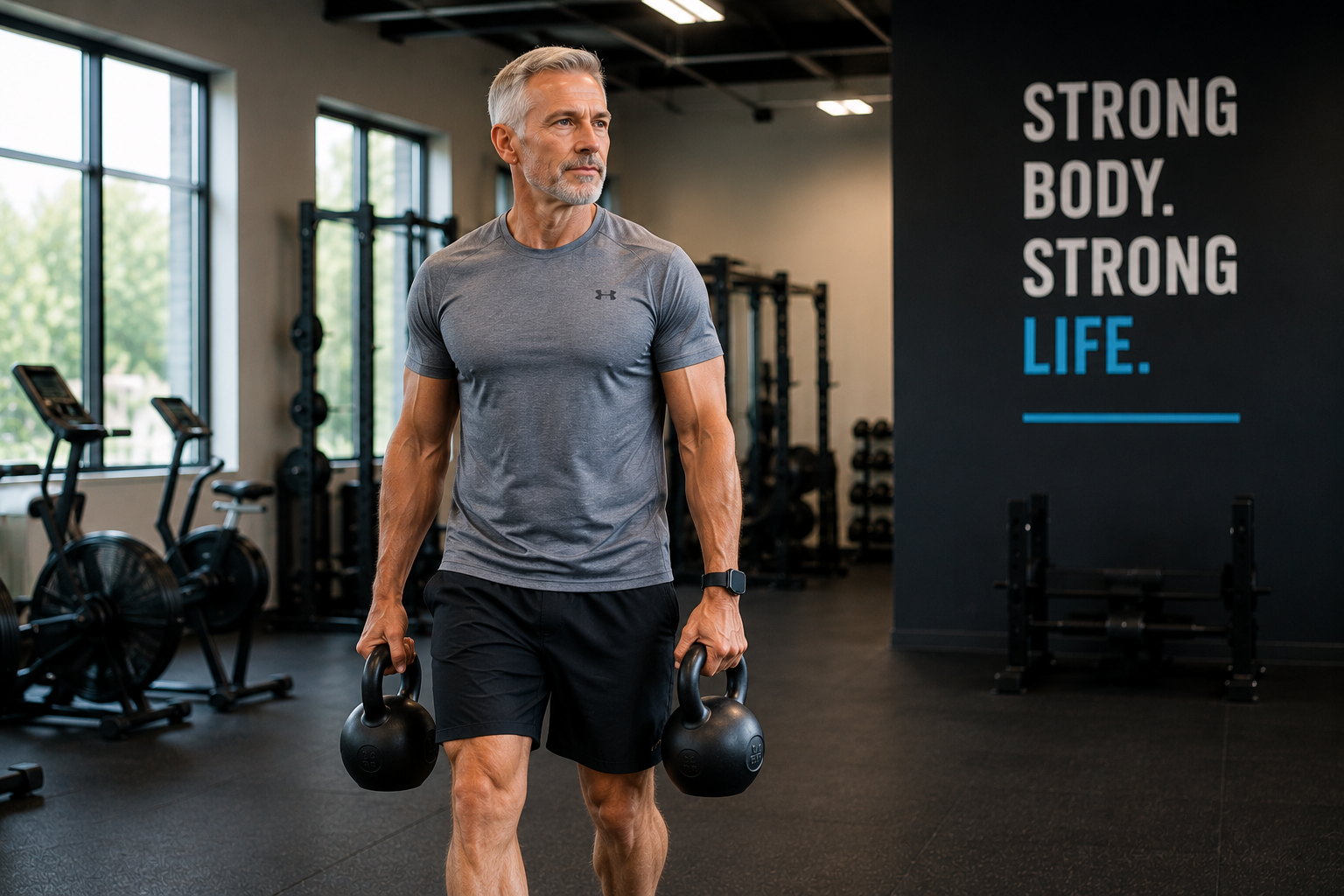
Many adults focus on cardiovascular exercise for health benefits, but strength training has a profound impact on metabolic health as well.
Muscle acts like a storage tank for glucose. The more muscle you have, the better your body becomes at utilizing carbohydrates and regulating blood sugar.
This can help:
Improve insulin sensitivity
Reduce the risk of Type 2 Diabetes
Support healthy body composition
Increase energy levels
Reduce cravings and energy crashes
For individuals struggling with weight management, insulin resistance, or metabolic dysfunction, strength training should be a foundational component of their health plan.
Strength Training Helps Prevent Falls
Falls remain one of the leading causes of injury among older adults.
Many people assume falls are simply a part of getting older, but balance and stability can be trained.
A well-designed strength program improves:
Lower-body strength
Core stability
Coordination
Reaction time
Confidence in movement
By improving these qualities, individuals can significantly reduce their risk of falling and maintain greater independence as they age.
It's Never Too Late to Start
One of the biggest misconceptions about strength training is that it's only beneficial if you start young.
Research consistently demonstrates that adults in their 60s, 70s, and even 80s can gain strength, improve mobility, build muscle, and enhance their quality of life through resistance training.
The human body remains remarkably adaptable throughout life.
The key is starting at the appropriate level and progressing gradually.
What Strength Training Should Look Like
Many people don't need complicated workout programs. They need a consistent plan focused on the fundamentals.
An effective strength training program should include:
Lower Body Movements
Squats
Sit-to-stands
Step-ups
Deadlift variations
Upper Body Movements
Rows
Push-ups
Pressing movements
Carrying exercises
Core Training
Planks
Carries
Anti-rotation exercises
Balance and Mobility Work
Single-leg stability exercises
Controlled mobility drills
Walking and gait training
For most adults, two to four strength sessions per week can provide significant benefits when performed consistently.
The Movement Lab Approach
At Movement Lab, we don't believe fitness should be about punishment or chasing short-term results.
Our goal is to help clients build strong, resilient bodies that support the lives they want to live.
Whether your goal is:
Playing with your grandchildren
Hiking without pain
Improving energy levels
Preventing injury
Losing body fat
Maintaining independence as you age
Strength training provides the foundation.
Because aging is inevitable. Losing your strength doesn't have to be.
Ready to Build a Stronger Future?
The best time to start strength training was years ago. The second-best time is today.
If you're looking for a personalized approach to strength training, healthy aging, and long-term wellness, Movement Lab can help.
Our coaching programs are designed to meet you where you are, build confidence in movement, and create a plan that supports your health for years to come.
Schedule your consultation today and discover how strength training can become your most powerful tool for healthy aging.