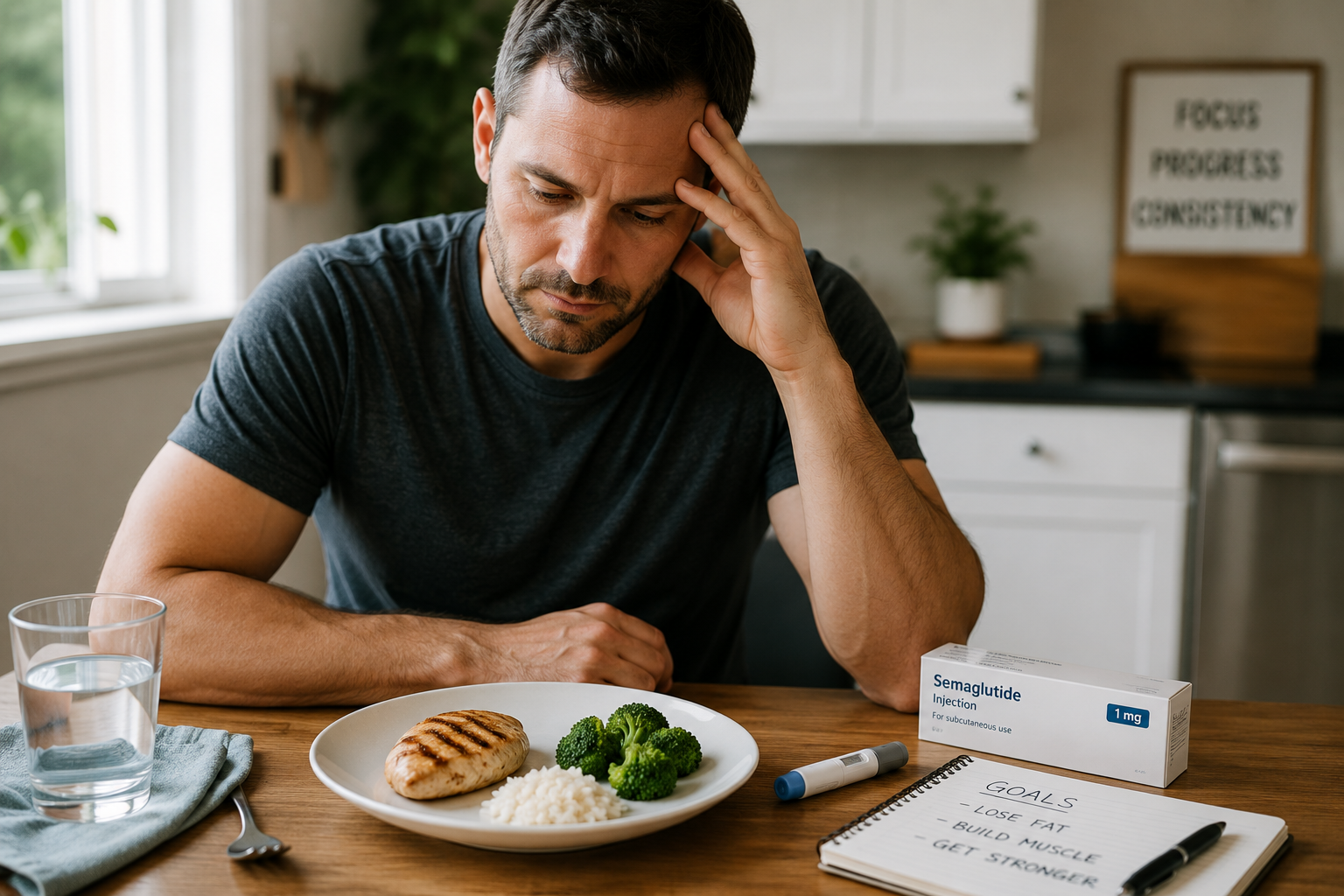
Weight-loss medications have changed the conversation around obesity and metabolic health.
Medications such as semaglutide and tirzepatide can help reduce appetite, improve blood sugar regulation, and produce meaningful weight loss for many people. But there is an important part of the conversation that can easily get overlooked:
The goal shouldn't simply be to lose weight. The goal should be to lose fat while preserving as much healthy muscle as possible.
That is where resistance training becomes especially important.
Not All Weight Loss Is Fat Loss
When the number on the scale goes down, that weight can come from several places. Ideally, most of it comes from body fat. However, during significant weight loss, some lean body mass can also be lost.
This matters because muscle isn't just about looking strong.
Skeletal muscle plays an important role in:
Strength and physical independence
Metabolic health
Blood sugar regulation
Insulin sensitivity
Bone health
Balance and stability
Maintaining function as we age
In other words, your muscle is metabolically active tissue that contributes to your overall health.
If you're successfully losing weight but also losing a significant amount of muscle, you may not be getting the full health benefit you hoped to achieve.
Why Weight-Loss Medication Can Make Muscle Preservation More Challenging
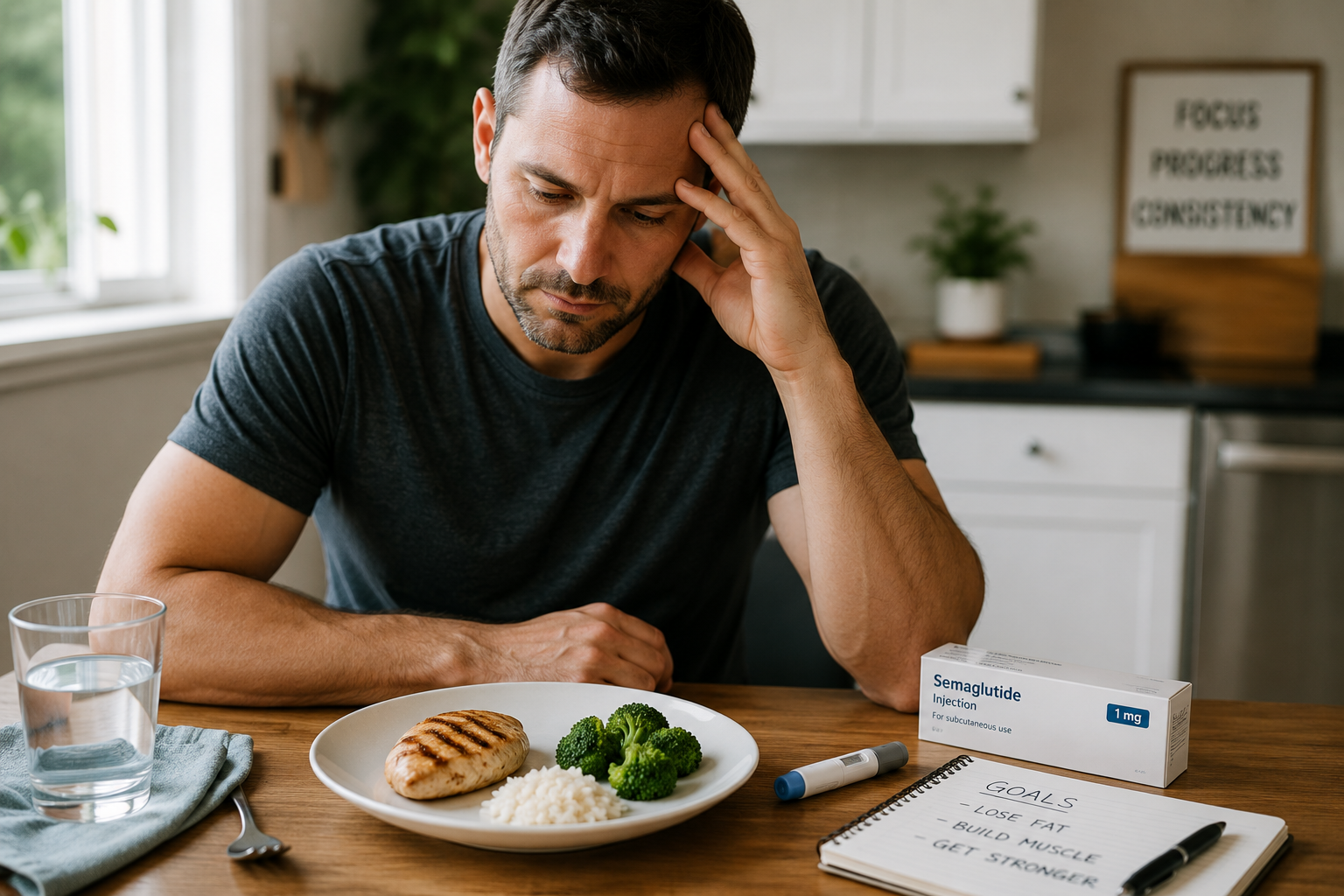
One of the ways many weight-loss medications work is by significantly reducing appetite.
For someone who previously struggled with hunger or overeating, this can be extremely helpful. However, eating substantially less can also make it harder to consume enough protein and total nutrition to maintain muscle.
Combine lower calorie intake with little or no resistance training, and the body has less reason to hold onto metabolically expensive muscle tissue.
That's why a comprehensive weight-loss strategy should involve more than medication and a scale.
We want to give the body a reason to maintain muscle.
Resistance training provides that signal.
Resistance Training Tells Your Body, "We Still Need This Muscle"
Strength training places controlled stress on your muscles.
Whether you're using dumbbells, machines, resistance bands, kettlebells, or your own body weight, your muscles have to produce force against resistance.
That stimulus essentially tells your body:
This tissue is still important. Keep it.
When resistance training is paired with adequate protein and appropriate nutrition, it creates a much better environment for maintaining strength and lean mass while body weight decreases.
You don't need to become a bodybuilder.
For many people, two or three thoughtfully designed resistance-training sessions per week can be a great place to begin.
Protein Matters Too
Exercise is only part of the equation.
Your body also needs the nutritional building blocks required to repair and maintain muscle tissue.
Protein becomes particularly important when you're eating fewer calories.
Rather than simply trying to "eat less," someone using weight-loss medication should consider the quality of the nutrition they are still consuming.
Meals can be built around quality protein sources such as eggs, poultry, lean meats, Greek yogurt, cottage cheese, fish, legumes, or other protein-rich foods appropriate for the individual.
Protein needs vary depending on body size, health status, activity level, age, and goals, so there isn't one perfect number for everyone.
The important point is this:
Eating less shouldn't mean becoming undernourished.
Think Beyond the Scale
Imagine two people each lose 40 pounds.
One loses primarily body fat while maintaining strength and muscle.
The other loses a combination of fat and a substantial amount of lean tissue while becoming weaker and less active.
The scale may show the same result.
Their health outcomes may be very different.
That's why we like to think beyond body weight alone.
Useful markers may include:
Body composition
Strength
Waist circumference
Energy levels
Blood pressure
Blood sugar and metabolic markers
Physical capacity
How someone feels and functions in everyday life
Weight is one piece of information. It isn't the entire picture.

Build a Body That Can Support the Weight You Lose
Weight-loss medication can be a valuable tool when medically appropriate, but medication works best as part of a larger strategy.
The long-term goal isn't simply to become lighter.
It's to become healthier, stronger, more metabolically resilient, and more capable.
That means thinking about muscle while you're losing fat—not trying to rebuild everything afterward.
If you're currently taking a weight-loss medication or considering medically supervised weight loss, talk with your healthcare team about incorporating appropriate resistance training, protein intake, and body-composition monitoring into your plan.
Don't just focus on losing weight. Protect what you want to keep.