
The Truth About Arthritis: Why Movement Is Medicine
One of the most common things we hear from new patients is:
"I've been told I have arthritis, so I should probably take it easy."
It’s understandable advice—but it’s often incomplete.
Many people assume arthritis means their joints are "bone-on-bone," that exercise will wear them out faster, and that surgery is inevitable. While arthritis is common, those beliefs can lead people to become less active, lose strength, and ultimately experience more pain and disability.
The reality is that, for many people, the right kind of movement is one of the most effective tools for managing arthritis. While movement can't reverse existing cartilage loss, it can improve how your joints function, reduce pain, increase strength, and help you stay active for years to come.
What Is Arthritis?
Arthritis simply means inflammation or degeneration within a joint. There are many different types, but osteoarthritis is by far the most common.
Osteoarthritis develops gradually over time as the cartilage that cushions the ends of bones changes. It can affect nearly any joint, but it's most common in the:
Knees
Hips
Shoulders
Hands
Spine
A diagnosis of arthritis doesn't automatically mean severe damage. In fact, many people with arthritis on an X-ray have very little pain, while others with only mild imaging findings may experience significant discomfort.
This is one reason why we treat people—not just images.
Arthritis Doesn't Always Equal Pain
Pain is complex.
It involves not only your joints, but also your muscles, nervous system, movement patterns, sleep, stress levels, and overall health.
Many factors influence how arthritis feels on any given day, including:
Muscle weakness
Limited mobility
Joint stiffness
Inflammation
Poor movement mechanics
Reduced physical activity
Weight management
Recovery and sleep quality
Addressing these factors can often improve function even when arthritis remains visible on imaging.

Why Rest Often Makes Arthritis Worse
When a joint hurts, the natural instinct is to protect it.
Short periods of rest can absolutely be helpful during a flare-up. But long-term inactivity often creates a cycle that works against you.
As activity decreases:
Muscles become weaker.
Joints lose mobility.
Balance declines.
Endurance decreases.
Everyday activities become more difficult.
The joint may actually feel more painful because it has less support from the muscles surrounding it.
Movement helps break that cycle.
Movement Lab
Why Movement Is Medicine
Your joints are designed to move.
Healthy movement provides several important benefits:
Stronger Muscles
Muscles absorb force before it reaches your joints, reducing stress during everyday activities.
Better Joint Nutrition
Unlike many tissues, cartilage doesn't have a direct blood supply. Movement helps circulate synovial fluid, delivering nutrients to the joint surfaces.
Improved Mobility
Regular movement helps reduce stiffness and maintain healthy range of motion.
Better Balance
Strong, coordinated muscles help prevent falls and improve confidence.
Less Pain
Many people experience reduced pain as strength, mobility, and movement quality improve.
Not All Exercise Is Created Equal
One mistake people make is thinking they need to push through severe pain.
Another is avoiding movement altogether.
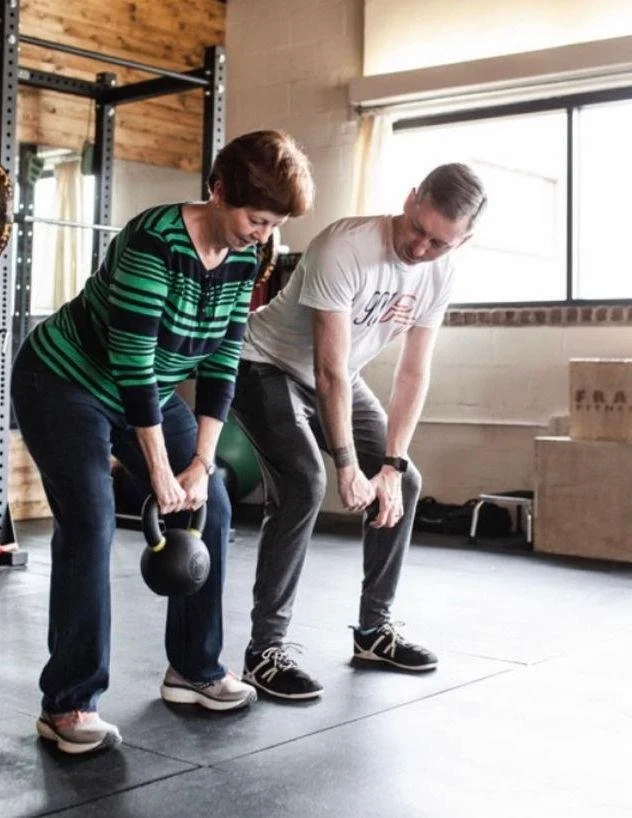
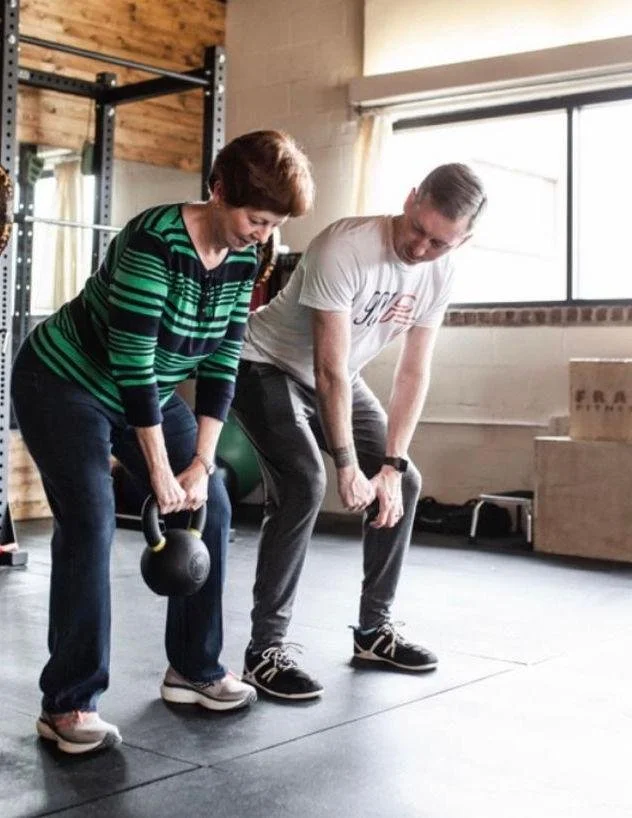
The best exercise program is individualized and progressive.
Depending on your condition, your program may include:
Strength Training
Building stronger hips, legs, and core muscles helps improve joint support.
Mobility Work
Improving joint motion can reduce stiffness and improve walking mechanics.
Balance Training
Better balance reduces fall risk and improves confidence.
Walking
Walking is one of the simplest and most effective forms of exercise for many people with arthritis.
Low-Impact Conditioning
Activities like cycling, swimming, rowing, or elliptical training can improve cardiovascular health while minimizing joint stress.

When Conservative Care Isn't Enough
Sometimes arthritis progresses despite doing many things well.
If pain continues limiting your daily life, there are additional options before considering joint replacement.
Depending on your specific situation, conservative and regenerative approaches may include:
Physical rehabilitation
Targeted exercise programs
Weight management strategies
Manual therapy
Shockwave therapy (for appropriate soft tissue conditions)
Orthobiologic treatments such as platelet-rich plasma (PRP) for carefully selected patients
Not every treatment is right for every person, which is why a thorough evaluation is so important.
We Focus on Keeping You Moving
At Movement Lab, our goal isn't simply to reduce pain.
Our goal is to help you continue doing the things that give your life meaning.
Whether that's:
Playing pickleball
Hiking with friends
Working in the garden
Traveling
Chasing grandchildren around the backyard
We begin with a comprehensive movement assessment to understand what's contributing to your pain.
From there, we develop a personalized plan that may include strength training, mobility work, education, recovery strategies, and—when appropriate—advanced regenerative treatments designed to support your goals.
Our philosophy is simple:
Move better. Feel better. Live better.
Don't Let Arthritis Decide What Your Future Looks Like
Receiving an arthritis diagnosis doesn't mean giving up the activities you love.
With the right guidance, many people continue living active, fulfilling lives while managing arthritis successfully.
If joint pain has been limiting your movement, we'd love to help you discover what your body is still capable of.
Schedule a movement assessment with Movement Lab and take the first step toward moving with confidence again.