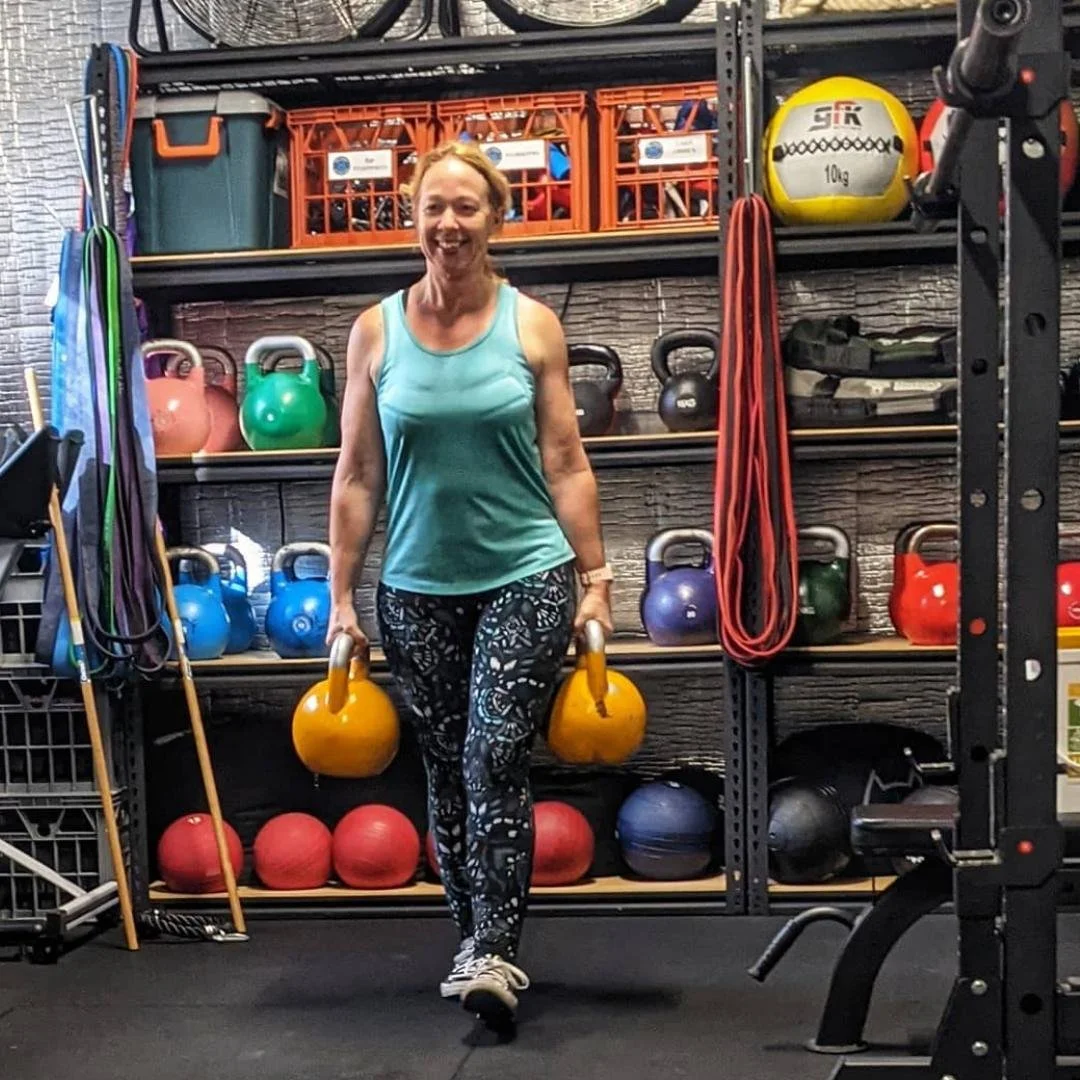

Why Balance Training Could Save Your Independence
Most people don't think about balance until they lose it.
It usually starts subtly. You catch yourself reaching for the countertop while putting on your shoes. Walking down stairs feels a little less automatic. Uneven sidewalks become something you consciously avoid.
These changes are often dismissed as "just getting older."
The truth is that poor balance isn't simply a normal part of aging—it's often a sign that your body's movement systems need attention. The encouraging news is that balance is a skill that can be trained at almost any age.
Improving your balance doesn't just reduce your risk of falling. It helps preserve confidence, independence, mobility, and quality of life for years to come.
Why Falls Matter More Than You Think
Falls are one of the leading causes of injury in adults over 65.
Every year, millions of older adults experience falls that lead to fractures, head injuries, hospitalizations, and a loss of confidence. But even when a fall doesn't cause a serious injury, it often changes how people move.
After one fall, many individuals become fearful of falling again. They begin avoiding activities they once enjoyed:
Hiking
Traveling
Playing with grandchildren
Gardening
Walking around their neighborhood
Ironically, moving less causes muscles to weaken and balance to decline further, creating a cycle that's difficult to break.
The goal isn't simply preventing falls.
The goal is preserving the freedom to continue living the life you want.
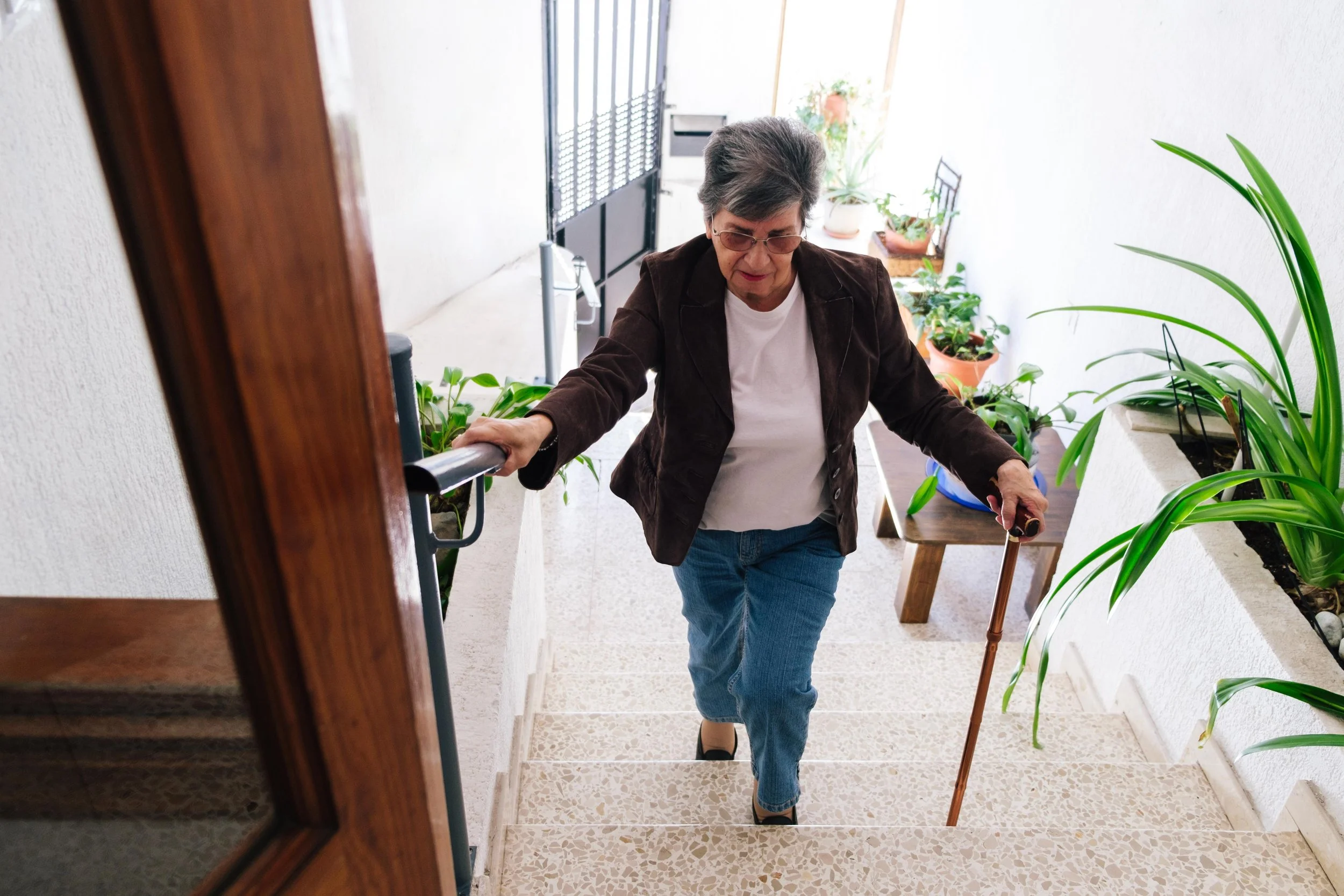
Balance Is More Than Standing on One Leg
Balance Is More Than Standing on One Leg
Many people think balance is simply a function of the legs.
In reality, balance is the result of several systems working together.
Your Vision
Your eyes constantly provide information about where you are in space.
Your Vestibular System
Located in the inner ear, this system detects movement and changes in head position.
Your Proprioception
Specialized receptors in your muscles, joints, and connective tissue tell your brain where every part of your body is without having to look.
Your Brain
Your brain rapidly combines all of this information and decides how your muscles should respond.
Your Muscles
Strong legs, hips, and core muscles allow your body to make quick adjustments before a stumble becomes a fall.
If even one of these systems isn't functioning well, balance can begin to deteriorate.
Why Balance Declines with Age
Several normal changes occur as we age:
Muscle mass decreases.
Reaction times slow.
Joint mobility becomes limited.
Vision changes.
Inner ear function can decline.
Physical activity often decreases.
Fortunately, none of these changes automatically mean you have to lose your balance.
Like strength, balance improves when it's challenged consistently.
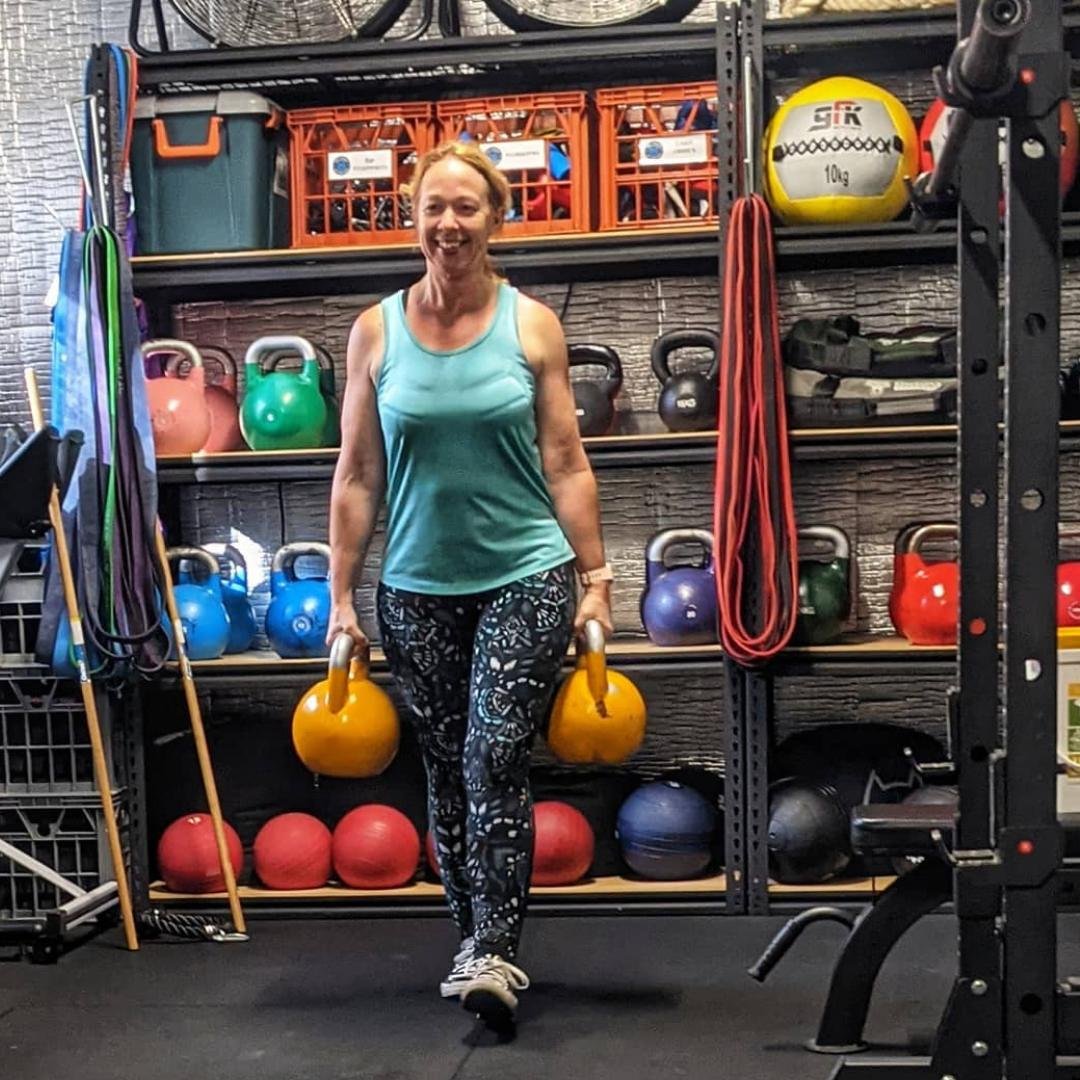
Strength Training and Balance Go Hand in Hand
One of the biggest misconceptions is that balance training only involves standing on unstable surfaces.
While certain balance exercises have their place, one of the most effective ways to improve balance is through strength training.
Stronger legs create greater stability.
Stronger hips help control your center of gravity.
A stronger core allows your body to recover from unexpected movements.
Exercises like:
Squats
Step-ups
Deadlifts
Farmer carries
Split squats (when appropriate)
all improve your ability to stay upright during everyday activities.
This is one reason resistance training is such an important part of healthy aging.
Everyday Habits That Improve Balance
Improving balance doesn't require spending hours in the gym.
Small habits performed consistently create meaningful improvements.
Walk Regularly
Walking challenges your balance with every step while improving endurance and coordination.
Practice Single-LLeg Balance
Stand near a sturdy counter and balance on one foot for 20–30 seconds.
Repeat on both sides.
Strength Train Two to Three Times Per Week
Building muscle improves both stability and reaction time.
Improve Ankle Mobility
Restricted ankles force your body into less efficient movement patterns.
Challenge Different Surfaces
Grass, trails, and gentle uneven terrain help improve proprioception when done safely.
Stay Physically Active
The body adapts to the demands placed upon it.
Movement truly is medicine.
When Poor Balance Signals Something More
Sometimes balance issues stem from more than simple deconditioning.
Persistent dizziness, vertigo, frequent falls, numbness, significant weakness, or sudden changes in balance deserve a comprehensive evaluation.
These symptoms may indicate issues involving:
The vestibular system
Peripheral nerves
Vision
Neurological conditions
Joint dysfunction
Medication side effects
Early assessment can often identify contributing factors before they become more serious.
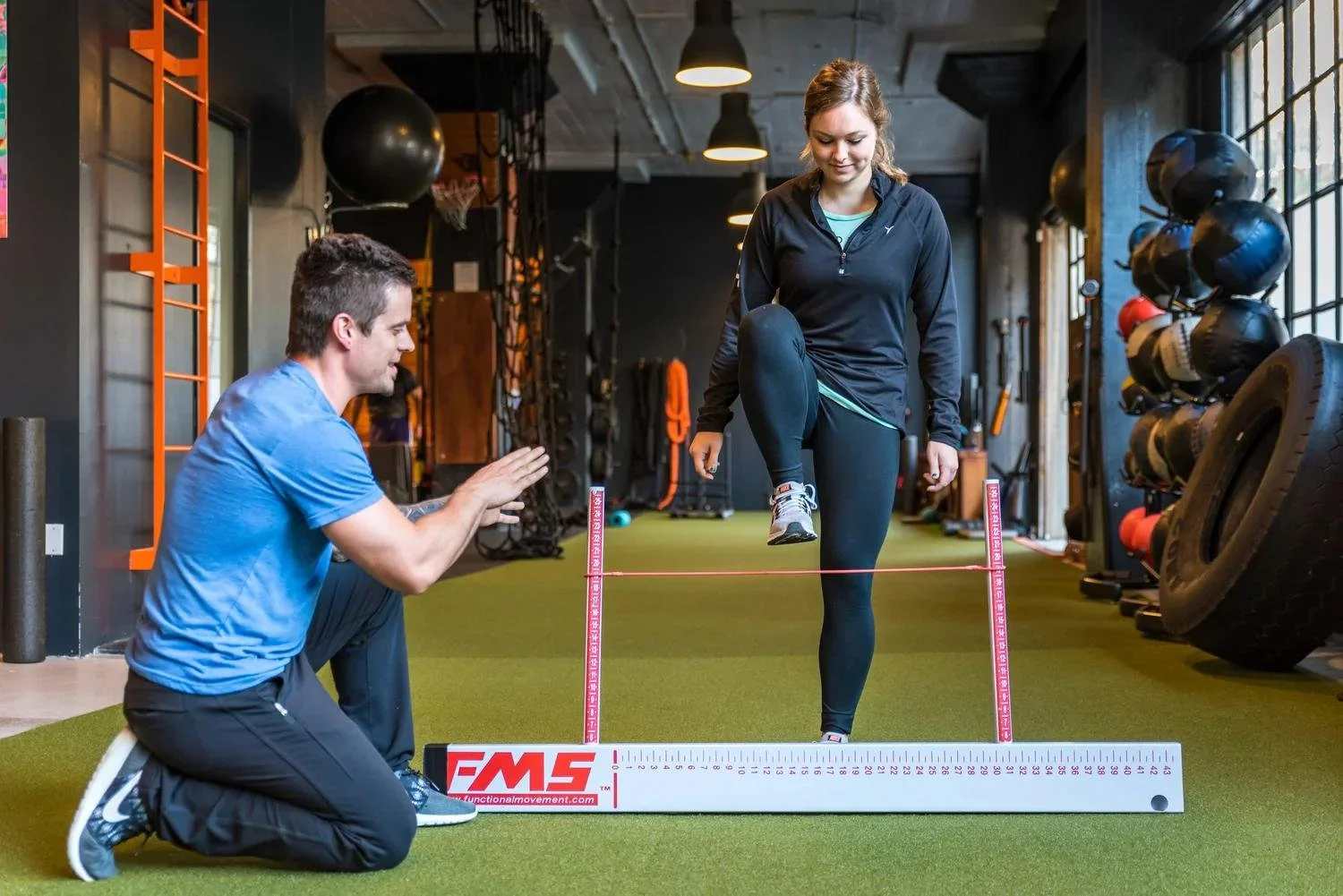
How Movement Lab Can Help
At Movement Lab, we don't simply tell people to "work on their balance."
We evaluate the entire movement system.
That includes assessing:
Strength
Mobility
Walking mechanics
Joint function
Core stability
Vestibular health when appropriate
Movement quality during everyday tasks
From there, we build an individualized program designed to improve confidence, reduce injury risk, and help you continue doing the activities you enjoy.
Whether your goal is hiking, golfing, playing pickleball, or simply walking confidently through your home, improving balance is one of the best investments you can make in your future health.
Take the First Step Toward Better Movement
Balance isn't something you suddenly lose overnight.
It's something you can improve every day through intentional movement.
If you've noticed yourself feeling less steady, avoiding certain activities, or simply want to age proactively, we're here to help.
Schedule a movement assessment with Movement Lab and discover how improving your strength, mobility, and balance can help you maintain your independence for years to come.